Stainless Steel Coil vs Sheet: Which Form Should Buyers Order?
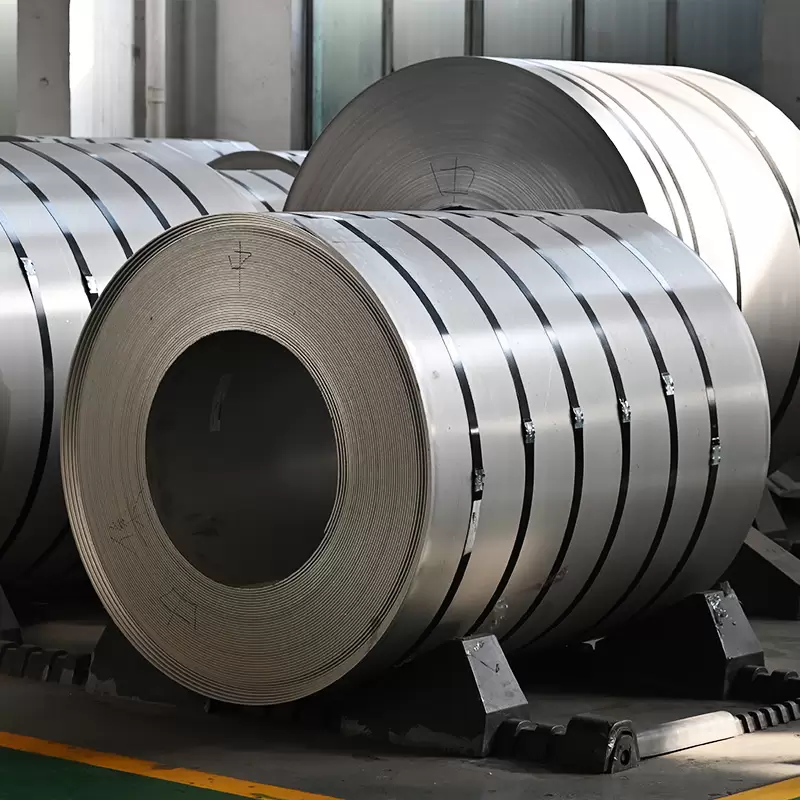
Stainless steel coil and stainless steel sheet are often made from the same material family, but they fit different buying strategies. Coil is continuous strip wound around a core. Sheet is flat material already cut to size or supplied in standard dimensions.
The wrong choice can create hidden cost. Coil may look cheaper by weight, but it needs handling, storage, slitting, leveling, cut-to-length work, and surface protection. Sheet may look more expensive per kilogram, but it can be easier to inspect, store, cut, bend, and use immediately.
The right question is not “Which is cheaper?” It is: does the buyer need continuous production material, or ready-to-use flat stock?
Coil Fits Repeat Production and Processing Control
Coil works when the production route is continuous
Stainless steel coil is useful when the buyer needs repeat production, slitting, stamping, roll forming, cut-to-length processing, or steady consumption of the same grade and thickness. A coil can feed production equipment with fewer material changes and better yield control.
Coil can also be efficient when the final part dimensions vary. A service center can slit wide coil into narrower strips or cut sheets to project lengths. For buyers who need regular blanks, strips, or sheet-metal parts, coil can become the upstream form that supports the whole workflow.
Coil needs the right equipment or supplier
Coil is not automatically easier. It needs uncoiling, leveling, slitting, handling equipment, storage space, and protection against edge damage or surface scratches. If the buyer does not have that capability, the supplier should provide coil processing before shipment.
NewQiujing supplies stainless steel product forms including coil and sheet, but the RFQ still needs to say whether the order is raw coil, slit coil, cut-to-length sheet, or finished blanks.
Sheet Fits Lower Volume and Direct Fabrication
Sheet is easier to inspect and use
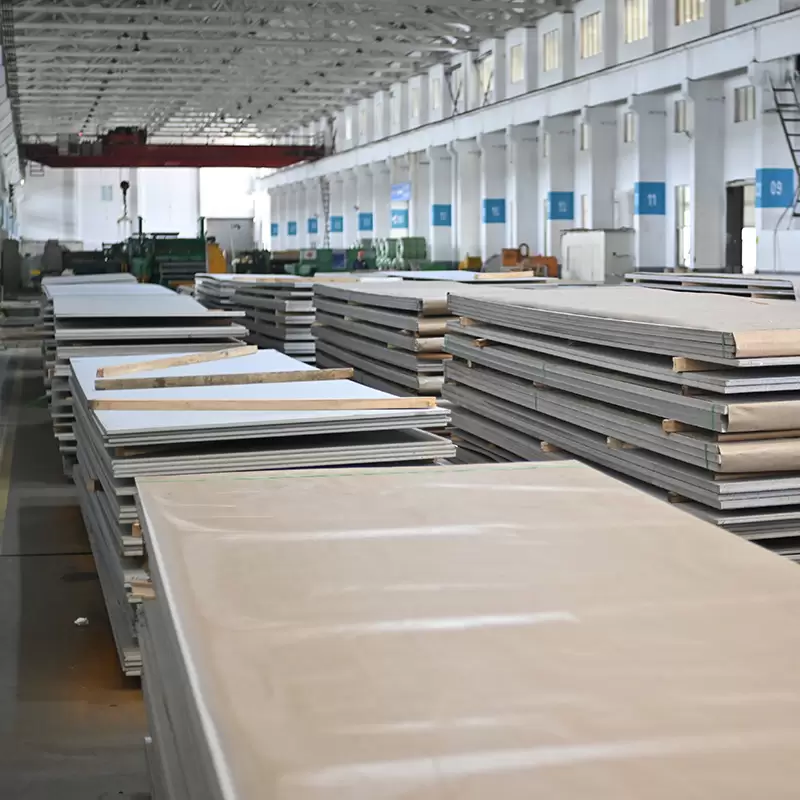
Stainless steel sheet is flat and easier to inspect visually and dimensionally. It is often the better choice for lower-volume projects, prototypes, repair jobs, covers, panels, guards, enclosures, and fabricated parts that go directly to cutting, bending, or welding.
Sheet also reduces the need for coil-handling equipment. A fabricator can receive sheets, check finish, confirm thickness, and move directly into laser cutting, bending, or assembly. That simplicity can matter more than a lower coil price.
Sheet gives better control for project-specific dimensions
If every part uses a defined sheet size or the order volume is limited, buying sheet can reduce waste and coordination. The buyer can specify thickness, width, length, finish, protective film, edge condition, and packing without managing the upstream coil processing step.
Sheet is not always the cheaper option. It is the cleaner option when the project values speed, inspection, and immediate fabrication over continuous production efficiency.
| Decision point | Stainless steel coil | Stainless steel sheet |
|---|---|---|
| Best fit | Repeat production, slitting, stamping, cut-to-length | Lower volume, direct fabrication, project-specific sizes |
| Handling | Needs coil equipment or service center support | Easier to store, inspect, and move |
| Cost logic | Efficient at scale if processing is controlled | Efficient when setup and handling must stay simple |
| Main risk | Coil set, edge damage, surface scratches, wrong slit width | Higher unit cost, limited nesting if sizes are poorly planned |
| RFQ focus | Coil ID/OD, width, weight, slitting, leveling | Thickness, size, finish, flatness, packing |
Hidden Costs Buyers Miss
Coil cost depends on yield and processing
Coil can reduce material handling cost in repeat production, but only if yield is controlled. Poor slit width planning, wrong coil width, high scrap, edge defects, or leveling problems can erase the price advantage.
Ask where the coil will be processed. If the supplier slits and cuts it before export, the buyer should specify slit width tolerance, cut length tolerance, burr condition, surface protection, and packaging. If the buyer processes the coil locally, storage and handling should be part of the cost calculation.
Sheet cost depends on readiness
Sheet can look more expensive by weight because some processing has already been done. That processing may be exactly what the buyer needs: flat stock, known dimensions, visible surface check, easier counting, and simpler packing.
For jobs that go straight to stainless steel laser cutting service, sheet can be the practical form. The supplier can nest parts, protect the visible side, and pack cut blanks without the buyer managing coil conversion.
Surface, Flatness, and Packing
Coil can carry surface risk through the whole process
Coil surface condition matters because scratches, pressure marks, edge damage, or poor protective film can repeat across many parts. If the final product is visible, the RFQ should define finish, visible side, protective film, interleaving, and acceptable surface marks.
Finish choice should be made before ordering, especially for brushed, BA, or mirror-like material. A buyer who cares about appearance should treat the coil or sheet decision together with stainless steel surface finish selection, not after the material arrives.
Sheet is easier to inspect but still needs protection
Sheet is easier to inspect piece by piece, but it can still arrive scratched or stained if packing is weak. For export shipments, ask for pallet quality, paper interleaving, waterproof wrapping, edge protection, and clear labels.
Flatness is another issue. Coil must be leveled when converted to sheet. If the final part needs good flatness, the buyer should specify leveling requirement and inspection method instead of assuming cut-to-length sheets will be flat enough.
RFQ Checklist for Coil and Sheet Orders
Define the form you actually need
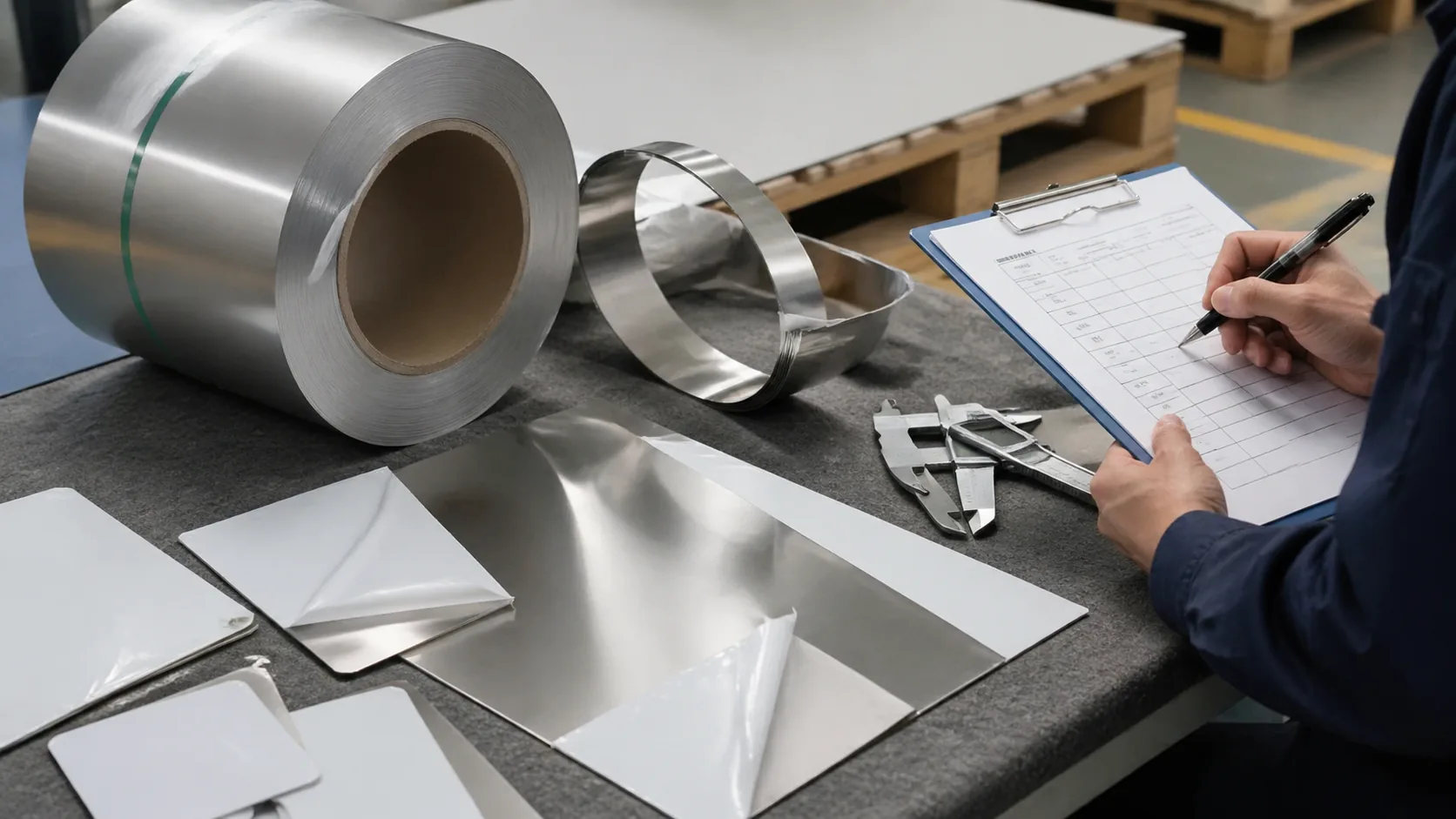
Use this checklist before comparing prices:
| RFQ item | Coil order | Sheet order |
|---|---|---|
| Product form | Master coil, slit coil, or cut-to-length from coil | Standard sheet or cut-to-size sheet |
| Grade | 304, 304L, 316L, 430, 2205, or project grade | Same, matched to service environment |
| Size | Thickness, width, coil ID/OD, coil weight | Thickness, width, length, tolerance |
| Processing | Slitting, leveling, cut-to-length, edge trimming | Cutting, bending, laser cutting, film, packing |
| Surface | 2B, No. 4, BA, mirror, PVC film | Finish, visible side, scratch limit |
| Inspection | MTC, slit width report, surface check | MTC, dimension report, flatness check |
| Packing | Coil eye direction, wrap, edge guards, pallet | Interleaving, film, pallet, seaworthy packing |
Compare total usable cost
Do not compare coil and sheet only by unit price. Compare usable yield, processing cost, handling equipment, lead time, storage, defect risk, and whether the supplier can deliver the form your production line actually needs.
For repeat production, coil can be the better upstream form. For short runs, visible parts, urgent fabrication, or projects without coil handling, sheet often creates fewer problems.
Conclusion
Buy stainless steel coil when repeat production, slitting, cut-to-length processing, stamping, or continuous material feeding controls the project. Buy stainless steel sheet when the buyer needs flat, inspectable, ready-to-use material for lower volume or direct fabrication.
The best RFQ names the exact form: raw coil, slit coil, cut-to-length sheet, standard sheet, or finished blank. Without that detail, the supplier may quote the same grade but a completely different production route.
Author: NewQiujing Group