Stainless Steel Sheet vs Plate: How Buyers Should Specify Thickness, Tolerance, and Use
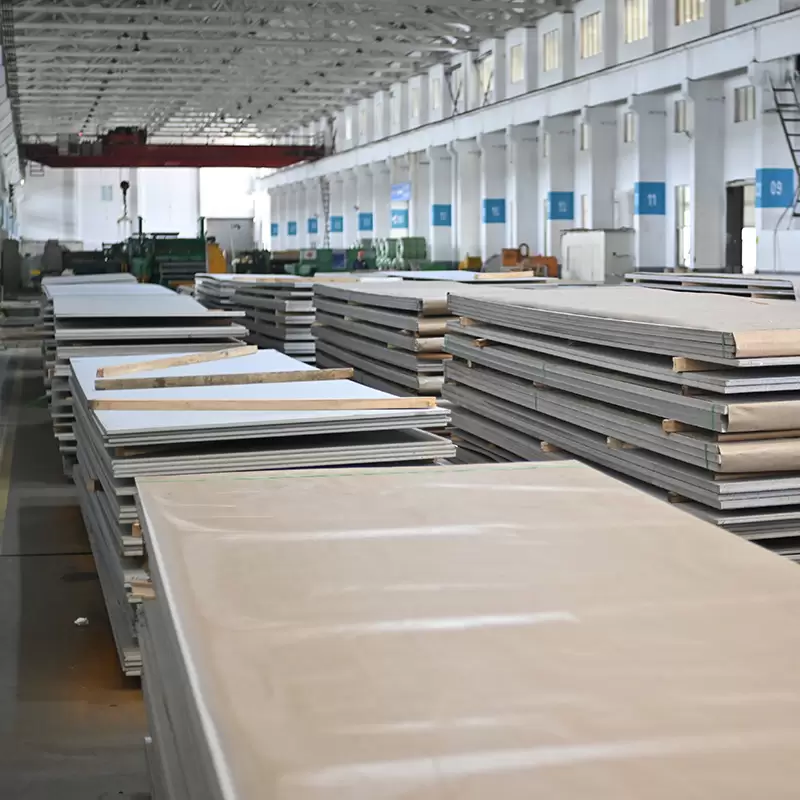
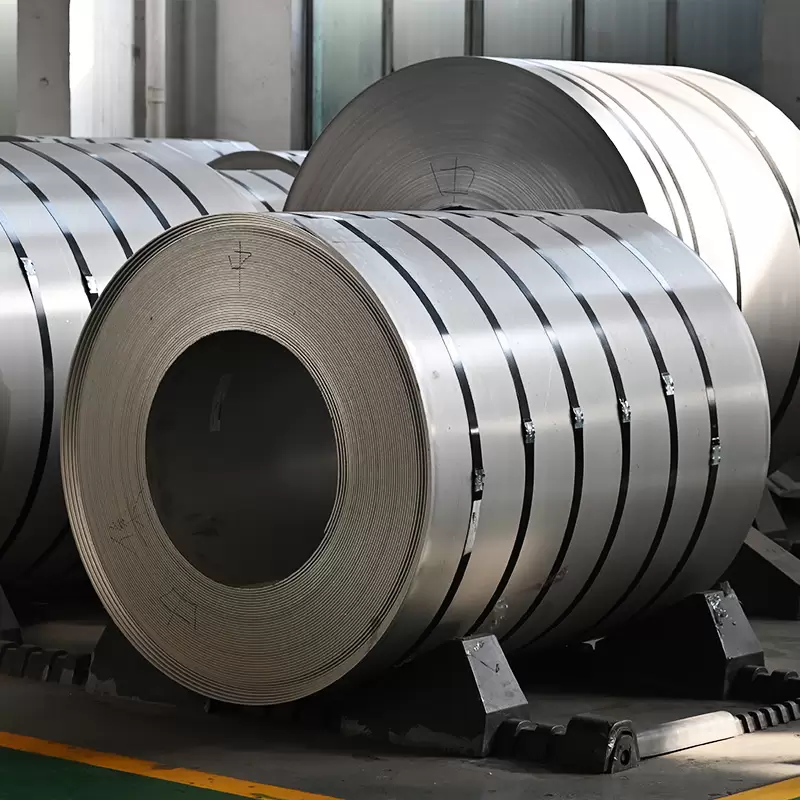
Stainless steel sheet and stainless steel plate look similar on a quote sheet, but they do not behave the same in fabrication. The difference is not only thickness. It affects bending, cutting, flatness, weldment design, surface finish, machining allowance, packing, and inspection.
The common shortcut is to say sheet is thin and plate is thick. That is true enough for a quick explanation, but it is not enough for a purchase order. A buyer who only writes "stainless sheet" or "stainless plate" still leaves the supplier to guess tolerance, finish, flatness, cutting scope, and whether the material must be formed or carry load.
The safer question is: does the part need a thinner formable material, or a thicker material with stiffness, load capacity, and machining allowance?
The Basic Difference: Thickness Is Only the Start
Sheet usually serves forming and lighter fabrication
Stainless steel sheet is normally the better language for thinner flat material used in covers, panels, guards, trays, enclosures, light brackets, appliance parts, and fabricated sheet-metal components. It is easier to cut, form, bend, and handle than heavy plate.
Many buyers treat about 6 mm or 1/4 inch as a practical dividing line between sheet and plate. That is useful as a rough rule, not as a universal standard. Markets, mills, and specifications can use different ranges. The RFQ should name the actual thickness and tolerance instead of relying on the product word alone.
Plate usually serves stiffness and load
Stainless steel plate is the better language when the part needs higher stiffness, load capacity, heavy weldment behavior, machined surfaces, bolted joints, or structural support. Plate is common in base plates, heavy brackets, flanges, pressure-related parts, equipment frames, tank bottoms, and heavy industrial components.
Plate can be harder to form, heavier to move, slower to cut, and more expensive to process. That does not make it worse. It means the buyer should choose it for a reason beyond "stronger sounds safer."
| Decision point | Stainless steel sheet | Stainless steel plate |
|---|---|---|
| Typical role | Covers, panels, guards, light parts | Heavy brackets, bases, supports, machined parts |
| Fabrication | Easier bending and forming | More cutting force, more weld heat, harder forming |
| Weight | Lower | Higher |
| Flatness concern | Handling and surface marks | Flatness, residual stress, machining allowance |
| Buying risk | Under-specifying tolerance or finish | Overbuying thickness or ignoring processing cost |
How Thickness Changes Fabrication
Bending is not just a thickness question
Sheet is often chosen because it can be bent into usable parts without excessive force, cracking, or large bend radii. But grade, thickness, grain direction, finish, and bend radius still matter. A 304 sheet and a duplex sheet may not behave the same in the press brake.
If the part will be bent, the RFQ should define thickness tolerance, bend angle, inside radius, grain direction if important, visible side, and acceptable marks. The buyer should also connect the drawing to stainless steel bending radius instead of assuming the supplier will choose a safe radius.
Plate changes cutting, welding, and handling
Plate thickness changes the production route. Laser cutting, plasma cutting, waterjet cutting, machining, beveling, lifting, and weld preparation all become more important as thickness increases. The cut edge may need deburring, grinding, beveling, or inspection before assembly.
Welding plate also introduces more heat input and distortion risk. If the plate is part of a welded frame or base, the RFQ should define weld preparation, flatness after welding if required, and whether the part needs machining after fabrication.
Standards, Dimensions, and Tolerances
Product form controls the standard conversation
Stainless flat products may fall under different standards depending on form, grade, thickness, and market. Do not let one generic material note cover sheet, plate, bar, pipe, and tube. The product-form issue is why buyers should understand ASTM A240 vs A276 before comparing quotes.
For sheet and plate orders, the RFQ should define grade, standard, thickness, width, length, tolerance, surface finish, edge condition, and MTC requirement. If the supplier is cutting blanks or finished shapes, the drawing should define final dimensions and inspection points.
Tolerance can decide whether the part works
Nominal thickness is not enough. A light cover may tolerate normal thickness variation. A machined plate, bolted base, sealing surface, or formed part may not. Flatness can also matter, especially when plate is cut into large panels or bases.
| Requirement | What to specify |
|---|---|
| Thickness | Nominal thickness plus tolerance or applicable standard |
| Width and length | Mill size, cut-to-size, or final blank dimensions |
| Flatness | Standard flatness or project-specific flatness requirement |
| Edge condition | Mill edge, slit edge, sheared, laser cut, deburred, or machined |
| Surface finish | 2B, No. 4, BA, pickled, industrial, or project-specific |
| Documents | MTC, heat number traceability, inspection report if required |
Cost and Availability Tradeoffs
Sheet can reduce processing cost when thickness is enough
Sheet can be cheaper to ship, cut, bend, and handle when the part does not need plate-level stiffness. It can also reduce weight in covers, guards, enclosures, panels, and non-load-bearing parts. The risk is choosing sheet when the part needs stiffness, thread engagement, machining allowance, or impact resistance.
For buyers sourcing stainless steel product forms, the sheet-versus-plate decision should be made before price comparison. A sheet quote and a plate quote are not competing offers if they solve different mechanical problems.
Plate can prevent rework when stiffness matters
Plate costs more in material and processing, but it may prevent rework when the part must stay flat, carry load, hold bolts, resist vibration, or allow machining. Saving money by buying thinner sheet can disappear quickly if the part warps, bends, or fails inspection.
Grade choice and product form have to be decided together. A 316L sheet may be correct for corrosion exposure but wrong for stiffness. A 304 plate may be stiff enough but wrong for chloride washdown.
RFQ Checklist for Sheet and Plate Buyers
Put the fabrication route into the quote request
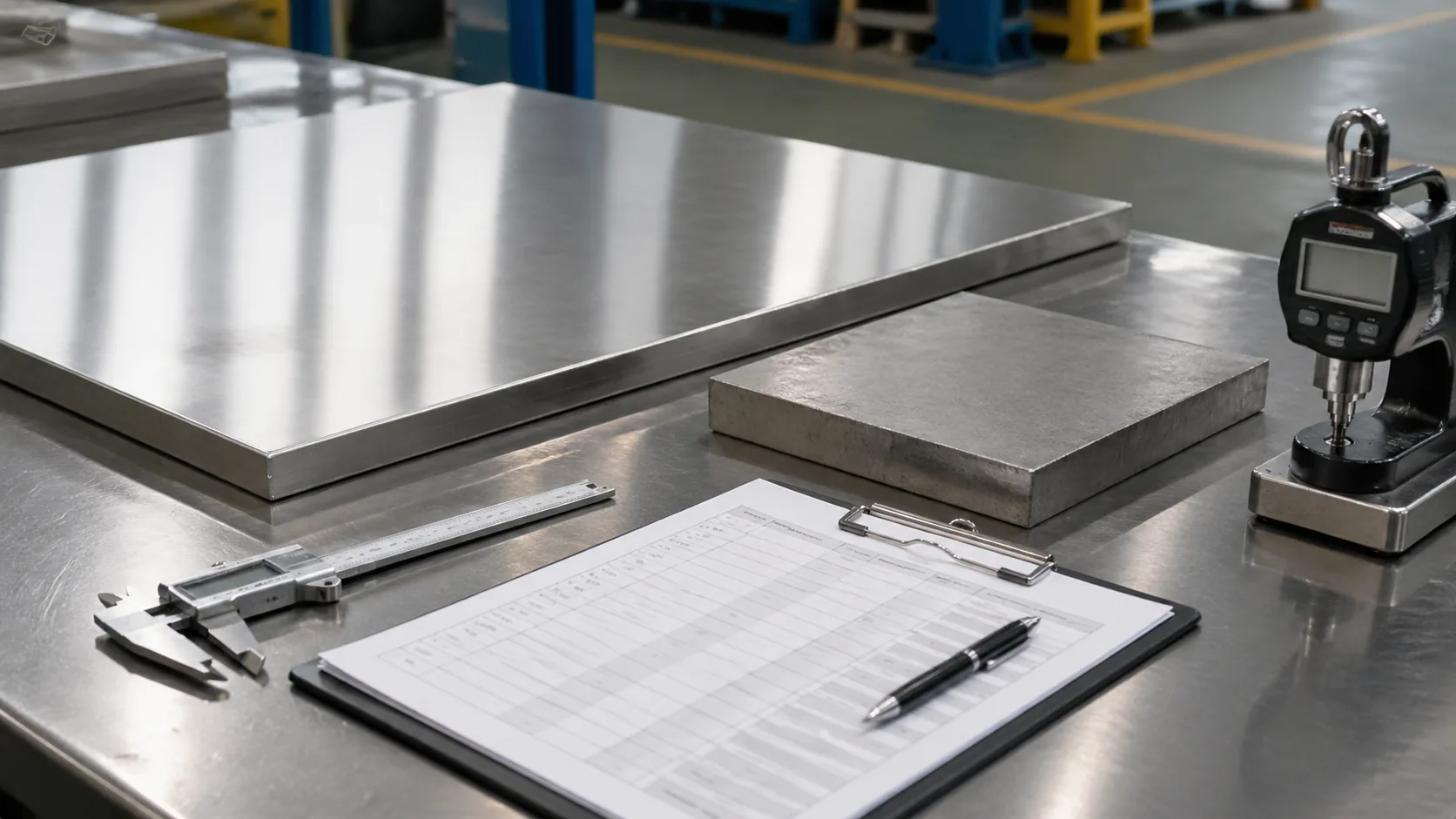
Before sending the RFQ, include the details that control the supplier's real cost and risk.
| RFQ item | What to write |
|---|---|
| Product form | Sheet or plate, not just "stainless steel" |
| Grade | 304, 304L, 316L, 2205, 2507, 310S, or project grade |
| Standard | ASTM, EN, JIS, GB, or project specification |
| Size | Thickness, width, length, and tolerance |
| Surface | Finish, visible side, protective film, scratch limit |
| Processing | Cutting, bending, beveling, drilling, welding, machining |
| Inspection | MTC, heat traceability, dimension report, flatness check |
| Packing | Pallet, interleaving, film, seaworthy packing if exported |
If the drawing only says "stainless plate" but the part must be bent, polished, and held flat after cutting, the RFQ is incomplete. If the drawing says "sheet" but the part is a load-bearing base, the material note deserves another look before purchasing.
Conclusion
Use stainless steel sheet when the project needs thinner flat material for forming, covers, panels, guards, and lighter fabrication. Use stainless steel plate when the part needs thickness, stiffness, load capacity, machining allowance, or heavy weldment behavior.
The product name is not the specification. A complete RFQ names thickness, tolerance, standard, finish, edge condition, processing route, inspection, and packing. That is the difference between comparing real offers and comparing two incomplete guesses.
Author: NewQiujing Group